Ayurvedic heritage
PERSONALISED AYURVEDIC DIABETES CAREYour body is unique.
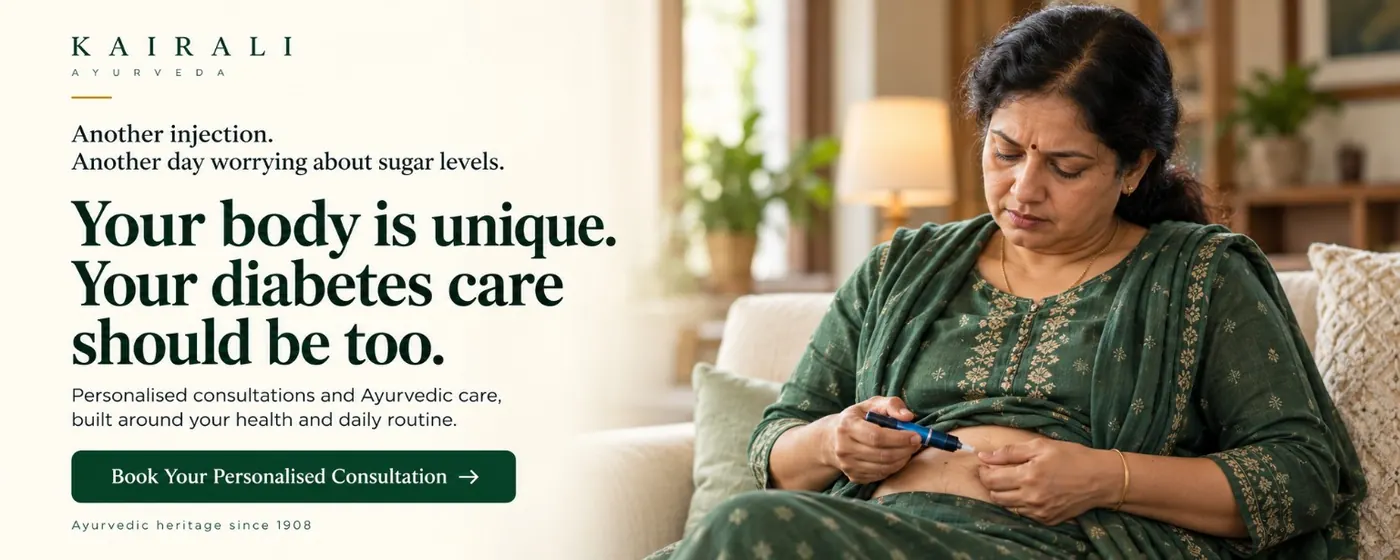
Another injection.
Another day worrying about sugar levels.
Your body is unique.
Your diabetes care
should be too.
Personalised consultations and Ayurvedic care, built around your health and daily routine.
Book Your Free Consultation4.8 on Google · 2,600+ reviews across our centres
Free doctor consultation · Ayurvedic heritage since 1908
EXPERIENCE. CARE. MEASURED OUTCOMES.
Care that begins with you.
Individuals supported
Across all health programmes
Of programme patients reported improved sugar control*
Reported diabetes remission within 6 months*
Over 93.9% patient satisfaction
*Kairali-reported programme data. Individual results vary; remission is confirmed clinically by your doctor.
THE KAIRALI APPROACHUnderstand the person.
Understand the person.
Then personalise the care.
Your diabetes care plan should reflect your health, your body’s needs and your daily routine. That’s why we begin by understanding you.
With Ayurvedic heritage dating to 1908, Kairali brings together experienced doctors and personalised Ayurvedic therapies to build a care plan around your individual needs.
Explore your care options →CONDITIONSCare for different
Care for different
diabetes needs.
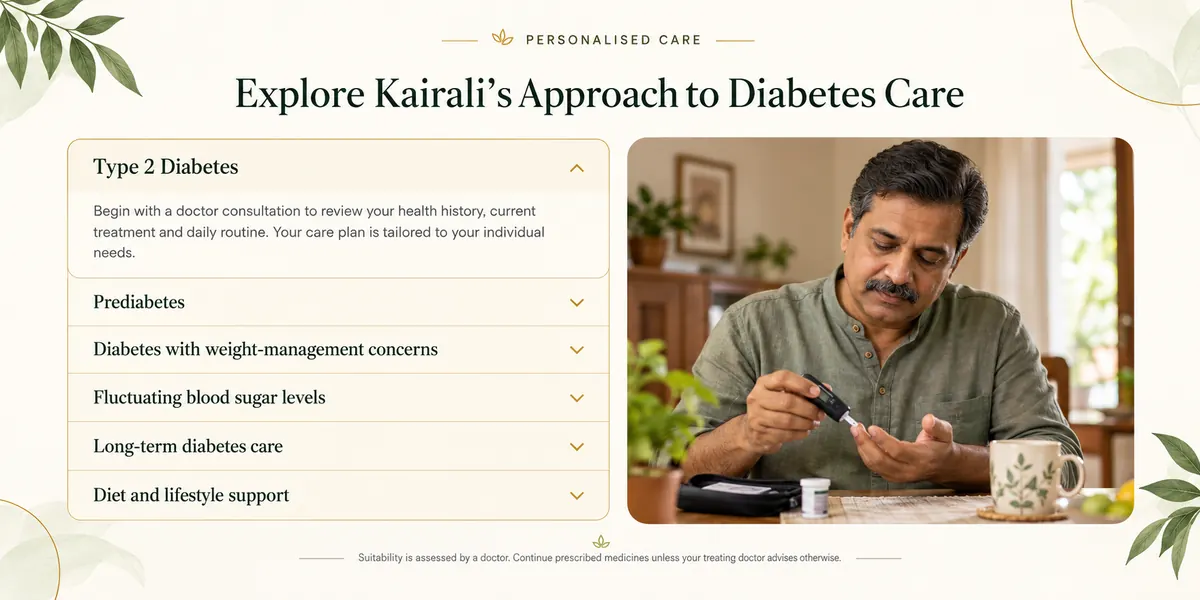
Type 2 diabetes
Review your diagnosis, medical history, current medicines and glucose reports with a doctor.
Prediabetes
Discuss your test results and the diet, activity and monitoring support appropriate for you.
Diabetes with weight concerns
Consider weight, nutrition and activity alongside your wider health needs.
Fluctuating sugar levels
Bring recent readings and prescriptions so the doctor can understand your current care.
Long-term diabetes care
Discuss your treatment history, related conditions and priorities for ongoing care.
Diet and lifestyle support
Build practical routines around food preferences, work, sleep and activity.
WHO THIS CARE IS FORIs personalised care
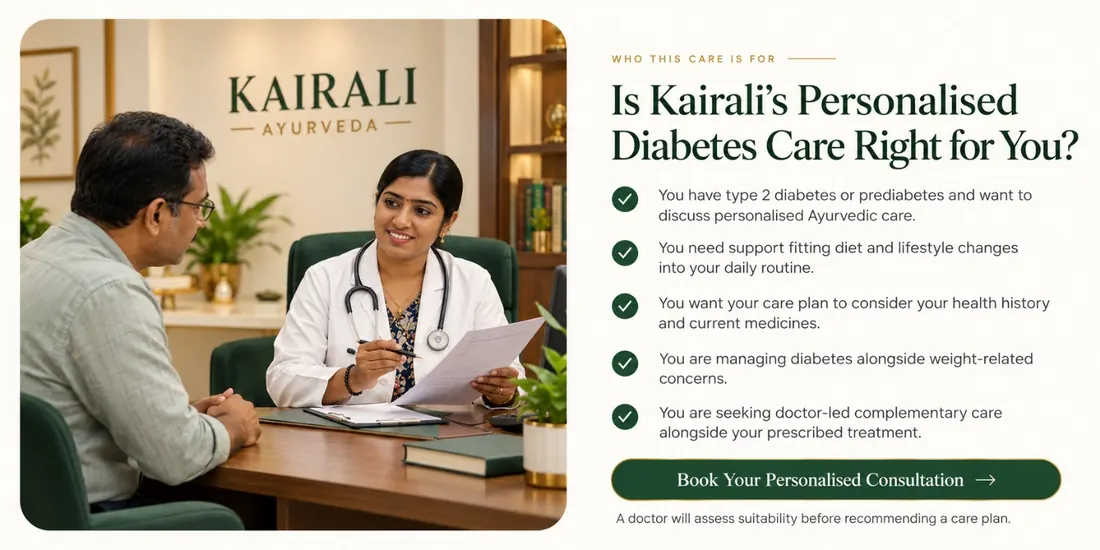
Is personalised care
right for you?
- You have type 2 diabetes or prediabetes and want to discuss personalised Ayurvedic care.
- You need support fitting diet and lifestyle changes into your routine.
- You want your health history and current medicines considered.
- You are managing diabetes alongside weight-related concerns.
- You seek doctor-led complementary care alongside prescribed treatment.
THE KAIRALI PROGRAMMEPersonalised diabetes care.
Personalised diabetes care.
Built around your whole health.
Kairali brings Ayurvedic consultation, nutrition, movement and selected therapies together in an individual care plan. The focus is better glucose management, healthier daily habits and regular review of your progress.
01 / UNDERSTANDYour health comes first
Your consultation reviews your diabetes history, current medicines, glucose reports and wider health concerns. An Ayurvedic assessment also considers your constitution and daily routine, so the plan reflects the person behind the numbers.
02 / PERSONALISEA plan with practical steps
Meal portions, carbohydrate choices, activity and weight goals are discussed together. Yoga and meditation can support a consistent routine. Ayurvedic medicines and procedures are selected by the doctor according to your needs and suitability.
03 / SUPPORTTherapies selected for you
Kairali describes individual treatment pathways that may include Abhyangam, Swedanam and selected Panchakarma procedures. Your doctor decides which treatments to include and the schedule, rather than prescribing every therapy to every patient.
04 / REVIEWMake progress visible
Follow-up blood-sugar readings and relevant reports help your doctor review the plan. Bring your prescriptions and recent tests to the consultation, and agree on manageable next steps for food, movement and ongoing care.
Looking for a residential programme in Kerala?
Kairali’s Ayurvedic Healing Village offers 14-, 21- and 28-day diabetes and metabolic-balance programmes, combining physician-guided care, individual meals, yoga and selected therapies. The residential team can advise on the appropriate stay after assessment.
UNDERSTANDING TYPE 2 DIABETES
Why Does Type 2 Diabetes Develop?
Insulin resistance and reduced insulin production can raise blood sugar. Several factors can contribute.
Insulin resistance
Dietary patterns
Chronic stress
Excess weight & low activity
Family history & genetics
Insufficient sleep
Sugary drinks & processed foods
Certain medicines & exposures
Hormonal conditions
Explore the factors 1 / 9
OUR APPROACHA care plan.
A care plan.
Built around your life.
Your health history, current treatment and daily routine guide the choice of therapies, nutrition, activity and follow-up.

PANCHAKARMA IN YOUR DIABETES CARE PLAN
How selected therapies fit into diabetes care
Your diabetes plan brings together food, movement, medicines and selected Ayurvedic therapies. Your doctor may include Panchakarma for specific health needs, while blood-sugar readings and HbA1c track your progress.
Vamana
Therapeutic emesisA small trial studied Vamana with an Ayurvedic medicine and reported improved glucose control over 12 weeks.
Virechana
Therapeutic purgationStudied in small trials for its effect on blood sugar. Your doctor decides whether it suits your plan.
Nasya
Nasal administrationUsed for selected Ayurvedic indications as part of a wider, doctor-guided care plan.
Basti
Procedure-specific careInternal and external treatments differ. Any role in diabetes care depends on the exact protocol selected by the doctor.
Doctor-assessed procedure
Raktamokshana
Bloodletting / leech therapyA traditional procedure reserved for specific clinical indications after a doctor’s assessment.
Shirodhara: supports relaxation and wellbeing as part of an individually selected care plan.
Personalised Diet & Nutrition
Balanced portions and carbohydrate choices help limit after-meal glucose rises. When appropriate, weight reduction can improve insulin sensitivity and support better glucose control.
Explore this care pillar
- Carbohydrates and portion planning
- Protein requirements
- Fats and oils
- Fruits and vegetables
- Food preferences and restrictions
Doctor-Prescribed Ayurvedic Formulations
Selected Ayurvedic formulations have shown improvements in blood-glucose measures in clinical studies. Your doctor chooses suitable medicines and monitors glucose and possible interactions with your current treatment.
Explore this care pillar
- Individual suitability
- Formulation names and ingredients
- Dose and duration
- Interactions and precautions
- Monitoring and follow-up
Customised Exercise & Lifestyle
Walking and strength exercises help muscles use glucose and improve insulin sensitivity. Yoga, breathing and a regular sleep routine support wellbeing and make daily diabetes care easier to sustain.
Explore this care pillar
- Cardio and aerobic activity
- Strength and resistance training
- Stretching and yoga
- Balance exercises
- Breathing exercises / Pranayama
Personalised Panchakarma Therapies
Selected procedures can complement your wider diabetes plan by addressing individual symptoms and wellbeing needs. Your doctor reviews the therapy alongside nutrition, activity, medicines and glucose monitoring.
Explore this care pillar
- Snehan — Oleation
- Swedan — Heat therapy
- Basti — Medicated enema
- Therapy selection and scheduling
- Progress review and tolerability
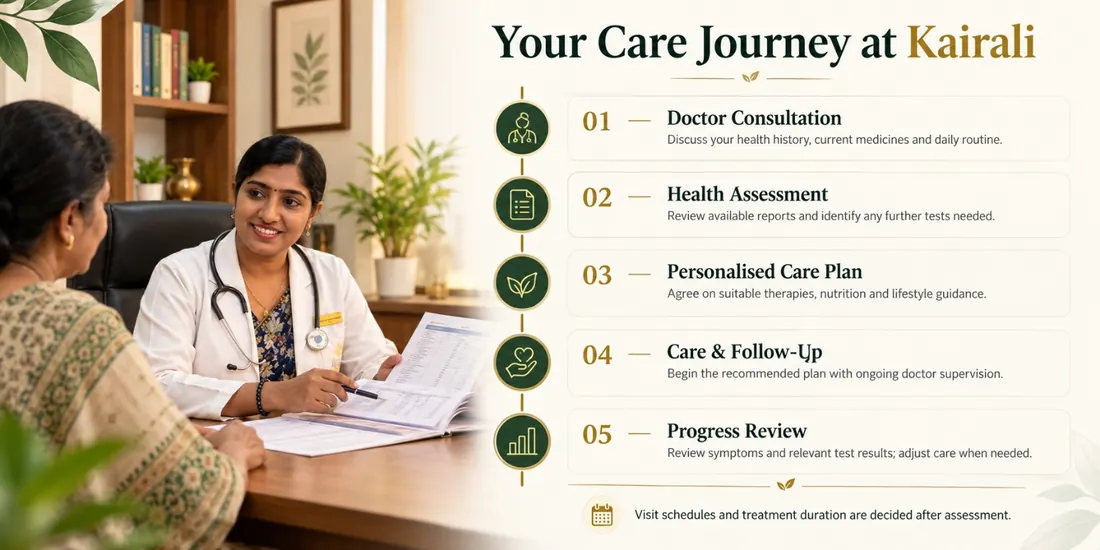
Your health. Your routine. Your care journey.
PATIENT JOURNEYCare, one thoughtful
Care, one thoughtful
step at a time.
- 01
Doctor Consultation
Discuss your health history, current medicines and daily routine.
- 02
Health Assessment
Review available reports and identify any further tests needed.
- 03
Personalised Care Plan
Agree on suitable therapies, nutrition and lifestyle guidance.
- 04
Care & Follow-Up
Begin the recommended plan with ongoing doctor supervision.
- 05
Progress Review
Review symptoms and relevant test results; adjust care when needed.
Visit schedules and treatment duration are decided after assessment.
OUR TESTSUnderstand your health.
Understand your health.
Track your progress.
Your doctor selects tests based on your individual needs.
01
Fasting & Post-Meal Blood Sugar
Measures blood glucose at specified times before and after meals.
02
HbA1c
Reflects average blood glucose over approximately 2–3 months.
03
Oral Glucose Tolerance Test
Assesses the response to a measured glucose drink, when clinically indicated.
04
Vitamin B12
May be checked when medicines, symptoms or other factors suggest a need.
WHY CHOOSE KAIRALI
Why Choose Kairali for Diabetes Reversal?
Experienced Ayurvedic care, an individual plan and support for lasting changes in daily life.
Established Ayurvedic care
Kairali’s first treatment centre opened in Delhi in 1989. Its centre network builds on a family tradition of Ayurveda and offers consultations and traditional therapies.
Explore more ↗Doctor-led personalisation
Your history, current treatment, constitution and daily routine shape the plan. Kairali’s diabetes approach describes individual selection of therapies and regular blood-report reviews.
Explore more ↗Care beyond a therapy session
Nutrition, yoga, activity and prescribed Ayurvedic care work within one programme. The Kerala residential option adds structured meals and a supervised daily routine.
Explore more ↗An experienced care setting
Kairali’s Kerala Ayurvedic hospital lists NABH Panchakarma accreditation, with its published certificate valid through April 2027. Ask your chosen centre about the facilities and services available there.
Explore more ↗A published patient journey
Kairali has shared a case involving diabetes, hypertension and high cholesterol, reporting improved glucose management after personalised treatment and monitoring. Read the story below.
Explore more ↗A clear next step
Meet the care team, bring your recent reports and discuss a plan that fits your daily life. Request a callback to explore your preferred centre and consultation options.
Explore more ↗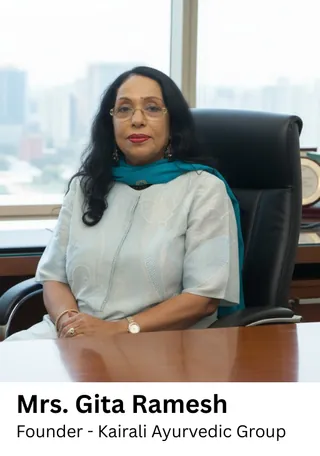
OUR FOUNDER
A legacy of care.
Mrs. Gita Ramesh
Founder, Kairali Ayurvedic Group
Discover the people behind Kairali’s approach to personalised Ayurvedic care.
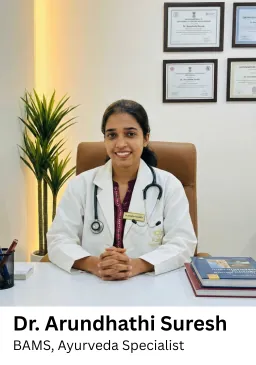
Dr. Arundhathi Suresh
10+ years of experience
Request consultation ↗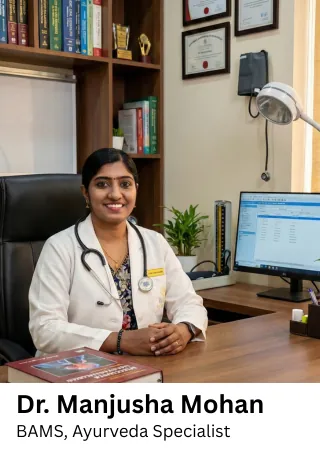
Dr. Manjusha Mohan
10+ years of experience
Request consultation ↗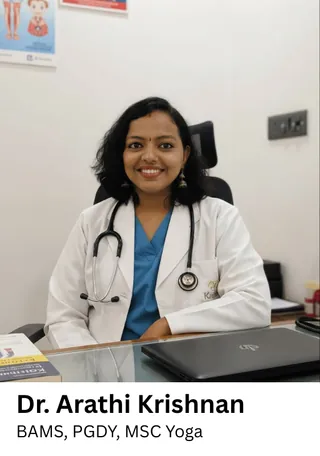
Dr. Arathi Krishnan
10+ years of experience
Request consultation ↗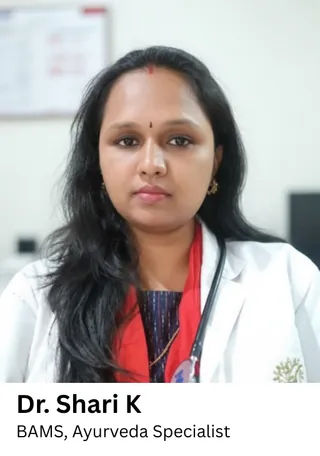
Dr. Shari K
10+ years of experience
Request consultation ↗
Dr. Aashitha P. S.
10+ years of experience
Request consultation ↗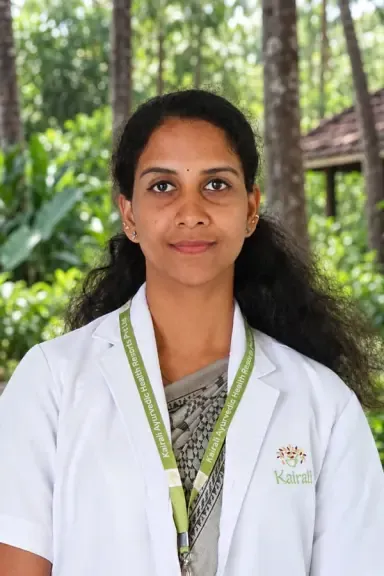
Dr. Adhina U. B.
10+ years of experience
Request consultation ↗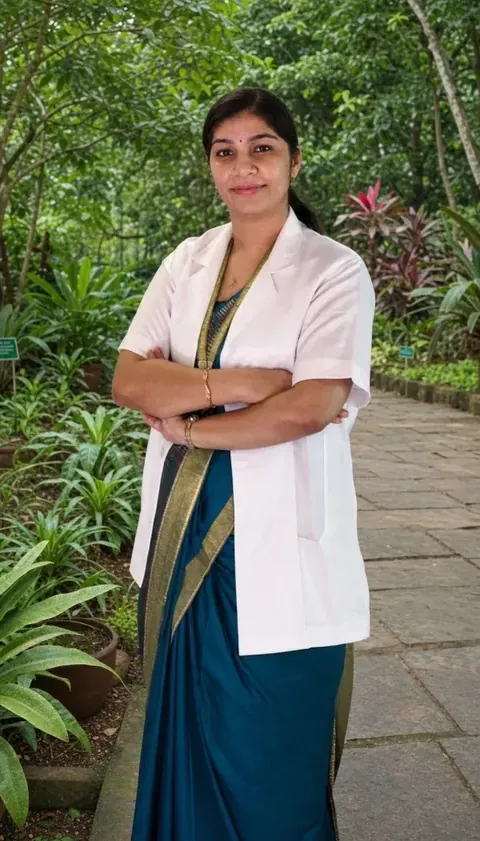
Dr. Akhila Oommen
10+ years of experience
Request consultation ↗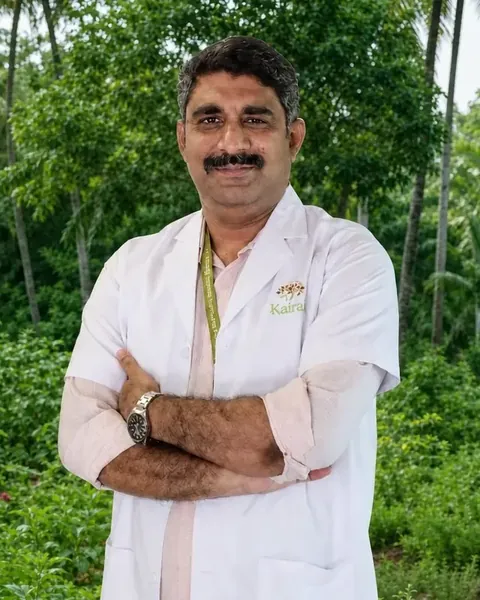
Dr. Deepu John
10+ years of experience
Request consultation ↗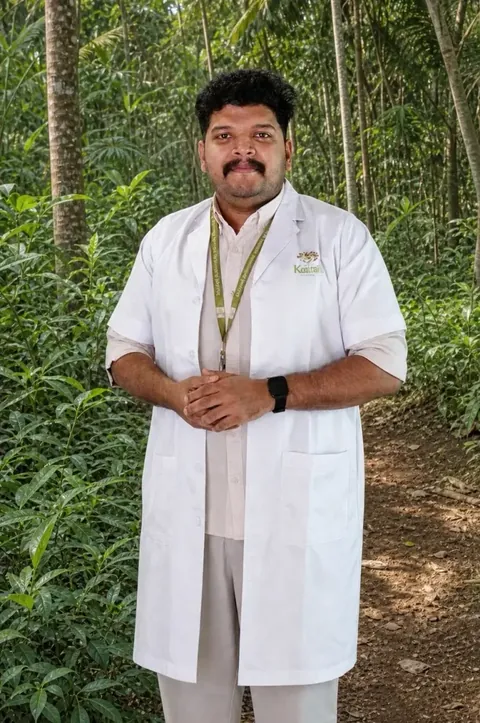
Dr. Rahul R. C.
10+ years of experience
Request consultation ↗PATIENT STORIES
In their own words.
Experiences shared by people who chose personalised Ayurvedic care at Kairali.
4.8
2,600+ Google reviews
across our centres
across our centres
★★★★★
[Patient quote — one or two sentences about their experience of Kairali’s diabetes care.]
★★★★★
[Patient quote — one or two sentences about their experience of Kairali’s diabetes care.]
★★★★★
[Patient quote — one or two sentences about their experience of Kairali’s diabetes care.]
Shared with patients’ permission. Individual experiences vary.
PUBLISHED KAIRALI PATIENT JOURNEY
From Care to Cure
A closer look at one woman’s experience of personalised care at Kairali.
59-YEAR-OLD WOMAN · PUBLISHED MAY 2023
Personalised care for connected health concerns
The patient consulted Kairali with diabetes, hypertension, high cholesterol and allergic symptoms. Her individual plan combined Ayurvedic medicines, dietary changes, lifestyle adjustments and therapeutic procedures, with ongoing review.
Kairali’s published account reports better blood-sugar management, stable blood pressure and improved cholesterol during the treatment period. It describes progress across several health concerns rather than supplying a numerical HbA1c result.
Read Kairali’s published case study ↗Start Your Care Conversation ↗OUTCOMES & RESEARCH
Kairali Outcomes & Published Research
Reported Kairali outcomes
Of programme patients reported improved sugar control
Reported diabetes remission within 6 months
Patient satisfaction across care programmes
Figures reported by Kairali. Individual outcomes vary. Overall satisfaction covers Kairali’s care programmes.

Can Type 2 Diabetes Go Into Remission?
Yes, type 2 diabetes can go into remission in some people. Published case reports describe reversal after integrated Ayurvedic diet and yoga programmes.
13.5%Starting HbA1c
Published individual case
INTEGRATED AYURVEDA & YOGA · CASE REPORT · 2024Published individual case
Reported reversal after diet and yoga.
A report describes a 31-year-old woman with an initial HbA1c of 13.5%. The authors reported near-normal glucose measures and maintenance without glucose-lowering medicines after an Ayurvedic dietary programme and therapeutic yoga.
Read the published case report ↗Kumari et al. · Journal of Ayurveda and Integrative Medicine · 2024
Study context
Read the linked publication for its methods, patient group and follow-up. This publication describes one individual case.
8.23%Baseline
→7.18%12 weeks
HbA1c: 8.23% to 7.18%.
In a three-arm pilot, the Vamana-plus-Varadi Ghanavati group’s mean HbA1c fell from 8.23% to 7.18% over 12 weeks. Glucose control improved in all groups, including the medicine control group.
Read the pilot clinical study ↗Deshpande et al. · Journal of Ayurveda and Integrative Medicine · 2023
Study context
Read the linked publication for its methods, patient group and follow-up. Findings apply to the intervention studied.
199Trials reviewed
21,191 participants
SYSTEMATIC REVIEW · 202221,191 participants
199 trials. 21,191 participants.
A review of 98 Ayurvedic medicines found improvements in HbA1c and fasting glucose for several interventions.
Read the systematic review ↗Chattopadhyay et al. · Frontiers in Pharmacology · 2022
Study context
Read the linked publication for its methods, patient group and follow-up. Reporting quality varied across the included trials, affecting confidence in the estimates.
How is diabetes remission defined?
The international consensus uses HbA1c below 6.5%, measured at least three months after stopping glucose-lowering medication, as the usual criterion.
Read the consensus report ↗YOUR QUESTIONS, ANSWEREDClarity before
Clarity before
your next step.
Is personalised Ayurvedic care suitable for me?
A doctor will review your diagnosis, medical history, reports and current treatment before recommending a care plan.
Can I stop my diabetes medicines or insulin?
Do not stop or change prescribed medicines or insulin on your own. Any adjustment must be made by your treating doctor.
Can type 2 diabetes go into remission?
Some people with type 2 diabetes can achieve remission. It is not guaranteed, and ongoing monitoring remains important. Discuss your individual circumstances with your treating doctor.
How long will my care plan last?
Duration and follow-up depend on your individual health needs. Your doctor will explain the proposed schedule after assessment.
Which reports should I bring?
Bring recent blood sugar and HbA1c reports, prescriptions and relevant medical records. Tell the doctor about every medicine and supplement you take.
Are Ayurvedic medicines and therapies suitable for everyone?
Suitability varies. Discuss allergies, pregnancy, existing conditions and all current medicines. Your doctor should review potential interactions and precautions.
What does the assessment tell me?
The assessment helps organise your diabetes profile for discussion with your doctor. It does not diagnose diabetes or predict treatment success.
Is the consultation free?
Yes, your first consultation is free. Share your details and our centre team will call you to guide you on the consultation mode, your nearest centre and availability. Any treatment charges are explained before you begin.
LET’S BEGIN WITH YOUYour next step.
Your next step.
A more personal
care conversation.
Talk to the Kairali team about your health, your routine and the consultation options available. Your first consultation is free.
OUR CENTRESKairali Ayurvedic Treatment Centre Kairali Ayurvedic Centre, Siri FortSports Complex, Siri Fort Road, New Delhi 110049 Kairali Ayurvedic Centre, GurugramArtemis Hospital Road, Sector 46, Gurugram 122003
Our centre team will guide you on the consultation mode that suits you.
WhatsApp Kairali ↗ PERSONALISED AYURVEDIC CAREPrefer to call? +91 95551 56156 ↗
Book Your Free Consultation
Share your details to request a callback.
Thank you.
Your enquiry has been received.